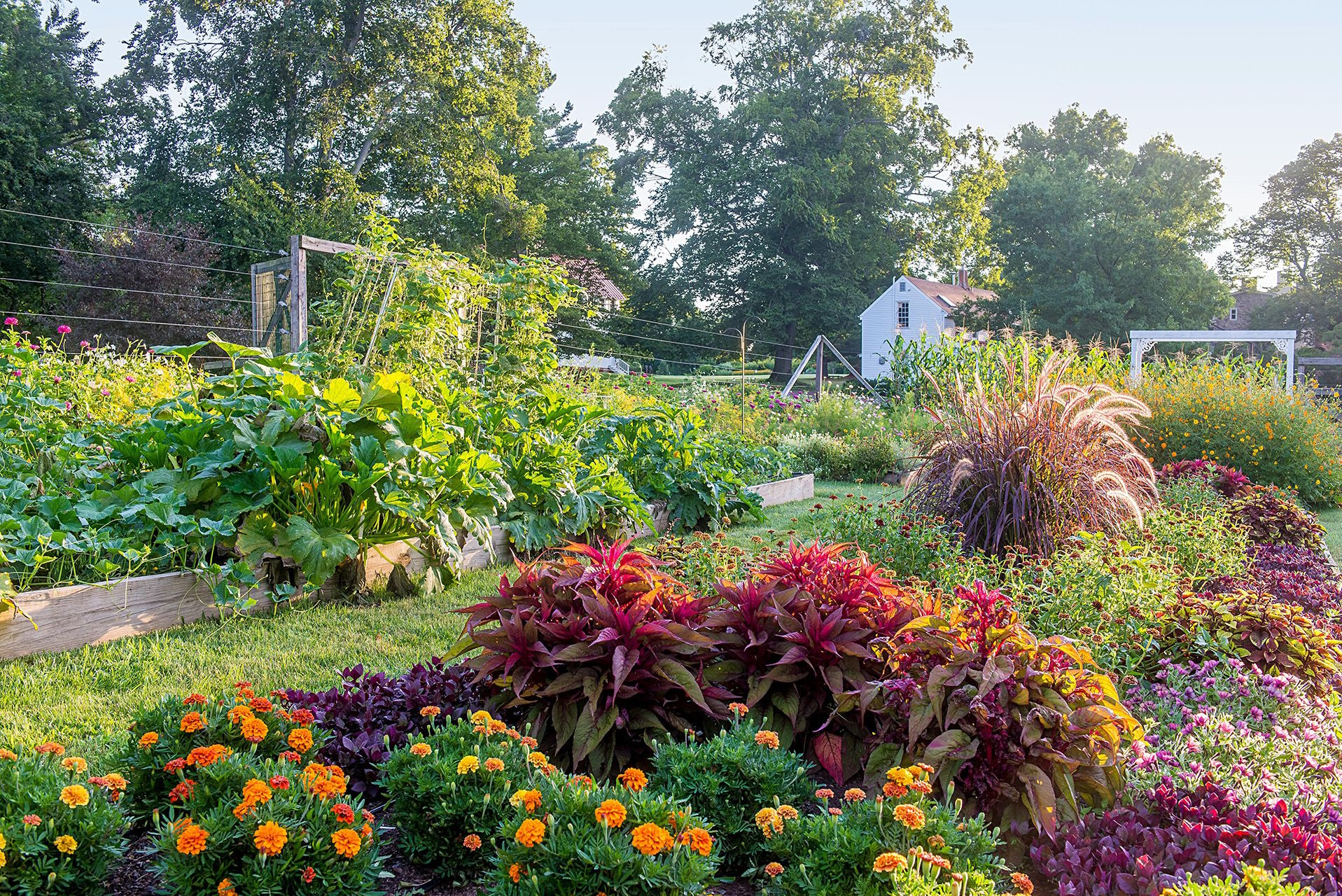
When planting vegetables it is important to know which plants help each other to thrive and which just can’t get along. Organic gardening really comes down to a few basics. These include sunlight, water, temperature and mostly the soil. All plants compete for these resources and need the minerals and organic compounds found in the soil to thrive and grow.
Your vegetable plants do better when surrounded by friends. Friendly vegetables don’t compete with each other for scarce minerals, complement each other for sunlight and their roots don’t strangle their neighbors to death. Important things to remember.
Here is a short list of vegetables that are friends. These plants not only get along fine together but also in most cases grow better because of their neighbors.
- Strawberries and Garlic
- Cucumbers and Onions
- Tomatoes and Chives
- Cauliflower and Lettuce
- Corn and Potatoes
- Coriander and Garlic
- Lettuce and Carrots
- Beans and Corn
- Leaks and Chinese Cabbage
- Beans and carrots
- Tomatoes and carrots
- Tomatoes and peas
- Carrots and onions
Vegetables that don’t like each other are:
- Potatoes don’t like tomatoes
- Potatoes don’t like cucumbers
- Beans don’t like onions
- Beans don’t like beets
- Cabbages don’t like radishes
- Tomatoes don’t like fennel
- Lettuce doesn’t like celery
- Cucumbers don’t like squash
- Tomatoes and brassicas like cabbage and broccoli
- Corn doesn’t like tomatoes
- Peppers don’t like cabbage
- Potatoes don’t like zucchini
- Carrots don’t like parsnips
- Asparagus are not friends with onions
- Pumpkins and summer squash should not be planted together
- Fennel do not get along with onions
- Peas and garlic are not friends
Here is a basic chart to guide which vegetables go well together and which combinations to avoid:

If you have a small backyard garden or a homestead with gardens, livestock and chickens, you want to get started right which will mean a much better harvest.
Spring planting is almost upon us. When you’re starting your garden this year, this brief guide may help to choose which of your vegetables you should plant together and which to avoid. I hope this helps.
Thanks for stopping by and please share this article with your friends!
Leave a Reply